

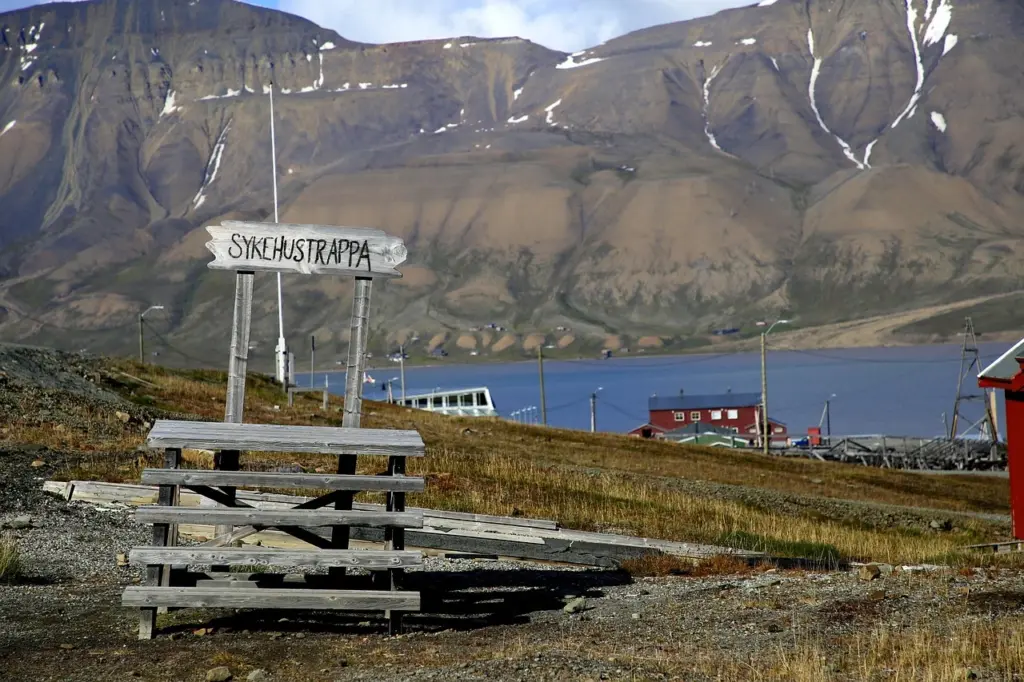
Who would have imagined that just south of the North Pole, in the world’s northernmost town, you could choose between sushi, fine Nordic cuisine, traditional Norwegian dishes, Thai food, and gourmet Arctic specialties featuring local reindeer and seal? Welcome to Longyearbyen, where a former coal mining settlement has transformed into one of the Arctic’s most unexpected culinary destinations—a place where you can dine on world-class cuisine while polar bears roam the wilderness just outside town limits.
From Coal Dust to Culinary Excellence
The Remarkable Transformation Longyearbyen’s evolution from a industrial mining town to a culinary destination represents one of the Arctic’s most surprising success stories. What began as a settlement focused purely on coal extraction has developed into a community where food culture rivals that of major European cities, despite being located closer to the North Pole than to most populated areas.
The transformation reflects broader changes in Svalbard’s economy and culture as research, tourism, and international cooperation have replaced mining as the primary activities. Today’s Longyearbyen hosts restaurants that would be impressive in any major city, offering dining experiences that combine international sophistication with uniquely Arctic ingredients and atmosphere.
A Culinary Melting Pot The international nature of Svalbard’s population has created a dining scene that reflects global influences while incorporating distinctly Arctic elements. Researchers, tourists, and residents from dozens of countries have brought culinary traditions that blend with local ingredients and Nordic cooking techniques.
This cultural fusion has created restaurant menus that might feature Thai curry alongside Norwegian reindeer, Japanese sushi next to Arctic char, and Italian pasta complemented by locally brewed beer made with 2,000-year-old glacier water.
The Local Ingredient Revolution
Arctic Specialties Svalbard’s restaurants increasingly feature local ingredients that provide authentic tastes of Arctic life. Svalbard reindeer, sustainably harvested according to traditional practices, appears on many menus as a lean, flavorful protein that represents the essence of Arctic cuisine.
Arctic char, caught in local waters, provides a fresh fish option that showcases the pristine marine environment surrounding Svalbard. The fish’s delicate flavor reflects the clean, cold waters of Arctic fjords and provides a connection between diners and the dramatic landscape surrounding them.
More adventurous diners can experience seal, whale, and Svalbard rock ptarmigan—traditional Arctic foods that connect modern dining with the historical sustenance strategies that have supported human life in the Arctic for centuries.
The Brewery Innovation Svalbard Brewery has revolutionized local dining by creating beers made with water from Bogerbreen, a 2,000-year-old glacier. This ancient ice provides water of extraordinary purity that creates distinctly Arctic flavors unavailable anywhere else in the world.
The brewery’s products include sparkling water (Svalbardvann) and various beer styles that complement Arctic cuisine while providing a truly local beverage option that reflects Svalbard’s unique environment.
World-Class Restaurants in an Arctic Setting
Huset: Nordic Excellence Huset represents the pinnacle of Svalbard’s dining scene, housed in Longyearbyen’s original assembly building dating from 1951. This restaurant has gained recognition as one of Norway’s leading dining establishments, bringing world-class Nordic cuisine to the High Arctic.
The restaurant’s wine cellar contains more than 15,000 bottles, making it among the largest wine collections in Scandinavia—a remarkable achievement for a restaurant located closer to the North Pole than to wine-producing regions. The combination of exceptional cuisine and extensive wine selection creates dining experiences that rival those found in major European capitals.
Huset’s menu emphasizes Nordic techniques and flavor combinations while incorporating ingredients from Svalbard and the broader Arctic region. The restaurant’s commitment to culinary excellence has helped establish Longyearbyen as a legitimate gastronomic destination.
Funktionærmessen: Gourmet with a View Located in the Funken Lodge hotel, Funktionærmessen offers exclusive tasting menus characterized by Nordic techniques and flavors, with ingredients primarily sourced from Svalbard and the Arctic region. The restaurant provides some of the best views in Longyearbyen, allowing diners to enjoy world-class meals while observing the dramatic Arctic landscape.
The restaurant’s approach combines international culinary sophistication with distinctly Arctic elements, creating dining experiences that reflect both global food trends and local environmental character.
Gruvelageret: Mining Heritage Meets Fine Dining Gruvelageret occupies a former mining warehouse in Sverdrupbyen, the historic district of Longyearbyen. The restaurant’s interior celebrates Svalbard’s mining heritage while serving exquisite food that represents the community’s evolution toward culinary sophistication.
With wilderness visible through the restaurant’s windows and Longyearbreen glacier nearby, Gruvelageret provides dining experiences that combine exceptional food with quintessentially Arctic atmosphere. The restaurant takes pride in serving genuine, high-quality cuisine that honors both local ingredients and international culinary techniques.
Diverse International Offerings
Asian Cuisine in the Arctic Longyearbyen’s international population has created demand for diverse cuisines that extends far beyond traditional Norwegian or Arctic foods. Thai restaurants provide spicy, warming dishes that offer psychological comfort during long Arctic winters, while Japanese sushi restaurants showcase the skill and precision that international chefs bring to this remote location.
The presence of Asian cuisine in Svalbard reflects the global nature of the community and provides comfort foods for residents and researchers from various cultural backgrounds who spend extended periods in the Arctic.
Familiar International Favorites Pizza, burgers, and pasta provide familiar options for visitors and residents seeking comfort foods that bridge the gap between home cuisine and Arctic adventure. These international options are often prepared with higher quality ingredients than might be expected in such a remote location, reflecting the overall elevation of Longyearbyen’s food scene.
Local restaurants have elevated common international dishes by incorporating Arctic ingredients and high-quality preparation techniques that transform familiar foods into memorable dining experiences.
The Logistics of Arctic Dining
Supply Chain Challenges Operating restaurants in Svalbard requires solving logistical challenges that most restaurateurs never encounter. All supplies except local wildlife and brewery products must be imported by ship or plane, creating supply chains that require months of advance planning.
The seasonal nature of shipping to Svalbard means restaurants must plan menus around available ingredients while maintaining flexibility to adapt when unexpected supply disruptions occur. This challenge has pushed local chefs to become more creative and resourceful than their counterparts in more accessible locations.
Food Storage and Preservation The Arctic environment provides natural refrigeration advantages while creating unique storage challenges. Restaurants must balance taking advantage of natural cold storage with protecting supplies from extreme temperature fluctuations and polar bear encounters.
Many establishments have developed innovative storage solutions that reflect local conditions while maintaining food safety standards appropriate for international cuisine.
Unique Dining Experiences
Arctic Wilderness Dining Some of Svalbard’s most memorable dining experiences occur outside traditional restaurant settings. Wilderness dining experiences in old trapper’s huts combine local delicacies with fascinating historical stories, creating meals that connect food with Arctic exploration heritage.
Isfjord Radio, a former telecommunications station transformed into a hotel and restaurant, offers gourmet dining in one of the world’s most remote locations. These wilderness dining experiences provide connections between food, history, and landscape that create unforgettable memories.
The World’s Northernmost Chocolaterie Fruene operates as the world’s northernmost chocolaterie, producing handmade chocolates that provide sweet endings to Arctic adventures. The chocolaterie represents the attention to quality and detail that characterizes Longyearbyen’s overall approach to food and hospitality.
Seasonal Dining Variations
Summer Abundance Summer brings increased tourism and supply shipments that expand restaurant options and ingredient availability. The midnight sun creates extended dining hours and opportunities for outdoor dining experiences that take advantage of the unique Arctic lighting conditions.
Summer also provides opportunities for ingredients foraged from Svalbard’s brief but productive growing season, including Arctic berries and plants that add locally-sourced elements to restaurant menus.
Winter Intimacy Winter dining in Svalbard creates intimate experiences as restaurants become community gathering places during the long polar night. The limited daylight and extreme weather create cozy atmospheres that emphasize comfort foods and warm hospitality.
Many restaurants adjust their menus during winter to emphasize warming, hearty dishes that provide psychological and physical comfort during the challenging dark season.
The World’s Northernmost Food Festival
Taste Svalbard Longyearbyen hosts Taste Svalbard, the world’s northernmost food and drink festival, celebrating the remarkable culinary scene that has developed in this Arctic location. The festival showcases local restaurants, highlights Arctic ingredients, and brings together chefs and food enthusiasts from around the world.
The festival demonstrates the confidence and sophistication of Svalbard’s food scene while providing opportunities for cultural exchange and culinary innovation that continues to drive the local dining evolution.
Practical Dining Considerations
Reservation Requirements The quality and popularity of Longyearbyen’s restaurants mean that reservations are often essential, particularly during peak tourism seasons. Many restaurants require advance booking and some charge cancellation fees, reflecting the limited seating and high demand for quality dining experiences.
The small size of Longyearbyen’s population means that popular restaurants can become fully booked quickly, making advance planning crucial for visitors seeking specific dining experiences.
Pricing and Value Dining in Svalbard reflects the logistical challenges and high quality ingredients involved in Arctic cuisine. While prices may be higher than comparable restaurants in more accessible locations, the unique ingredients, exceptional preparation, and incomparable atmosphere provide value that extends beyond simple food quality.
The tax-free status of Svalbard provides some price advantages, particularly for wine and spirits, making fine dining more accessible than might be expected in such a remote location.
Meeting the Locals at Cafés
Community Gathering Places Longyearbyen’s several cafés serve as community gathering places where visitors can meet locals and experience the social side of Arctic life. These establishments provide more casual dining options while offering insights into daily life in the world’s northernmost community.
Cafés become particularly important during winter months when they serve as warm, welcoming spaces that combat the isolation and darkness of the polar night season.
The Future of Arctic Cuisine
Culinary Innovation Svalbard’s food scene continues to evolve as chefs experiment with Arctic ingredients and develop techniques that reflect the unique challenges and opportunities of polar cuisine. This innovation contributes to broader trends in Nordic cuisine while maintaining distinctly Arctic character.
The international nature of Svalbard’s community ensures that new culinary influences regularly arrive, creating ongoing evolution in restaurant offerings and cooking techniques.
Sustainability Focus Local restaurants increasingly emphasize sustainability through local sourcing when possible, waste reduction, and energy efficiency measures that reflect environmental awareness appropriate for such a pristine Arctic location.
Cultural Exchange Through Food
International Community The diversity of Longyearbyen’s dining options reflects the international nature of the community and provides comfort foods for residents from various cultural backgrounds. This diversity creates opportunities for cultural exchange through shared meals and appreciation for different culinary traditions.
Restaurants serve as informal cultural centers where tourists, researchers, and residents interact and share experiences from their various backgrounds and interests.
The next time someone asks what you eat at the North Pole, you can describe world-class Nordic cuisine, fresh sushi, excellent wine, and beer made with 2,000-year-old glacier ice—all served with views of Arctic wilderness and the possibility of polar bear sightings just outside the restaurant windows.