

Africa has its legendary Big Five, but the Arctic boasts its own magnificent quintet that draws photographers from around the globe. Svalbard’s Big Five—polar bears, Arctic foxes, Svalbard reindeer, walruses, and ringed seals—represent some of the most charismatic and photogenic species on Earth, perfectly adapted to life in one of the planet’s most extreme environments. For wildlife photographers, capturing these Arctic icons in their pristine natural habitat represents the ultimate polar achievement.
The Arctic Photography Challenge
Why Svalbard’s Big Five Matter Svalbard’s Big Five concept emerged from the wildlife photography community as a way to celebrate the archipelago’s most iconic and sought-after species. Unlike their African counterparts, which were originally defined by hunting difficulty, Svalbard’s Big Five represent photography challenges that combine technical skill with the unique demands of Arctic conditions.
Each species offers distinct photographic opportunities and challenges, from the patience required for polar bear photography to the quick reflexes needed for capturing Arctic fox behavior. Together, they represent the full spectrum of Arctic wildlife photography, challenging photographers to master different techniques while working in some of Earth’s most demanding conditions.
The Arctic Advantage Svalbard offers wildlife photographers advantages unavailable in most other locations. The midnight sun provides extended shooting hours with constantly changing light conditions, while the stark Arctic landscapes create dramatic backdrops that emphasize the beauty and adaptation of Arctic wildlife.
The relatively small size of Svalbard’s human settlements combined with abundant wildlife populations creates opportunities for encounters that would be impossible in more densely populated regions. Professional wildlife photographers often describe Svalbard as offering some of the world’s most reliable wildlife viewing opportunities.

#1: The Polar Bear – King of Arctic Photography
The Ultimate Arctic Icon Polar bears represent the holy grail of Arctic wildlife photography. As the undisputed apex predator of the Arctic and one of the world’s most recognizable wildlife species, polar bears offer photographic opportunities that combine raw power with surprising grace and intelligence.
Svalbard hosts approximately 3,000 polar bears shared with the Franz Josef Land region, making it one of the world’s premier destinations for polar bear photography. These magnificent creatures can weigh up to 680 kilograms and stand three meters tall on their hind legs, creating imposing subjects that command respect and careful approach.
Photography Techniques and Challenges Polar bear photography requires specialized techniques and equipment designed for Arctic conditions. Long telephoto lenses become essential both for safety reasons and to capture intimate behavioral details without disturbing the animals. Most successful polar bear images are captured from boats or guided expeditions that maintain appropriate safety distances.
The key to compelling polar bear photography lies in patience and understanding bear behavior. Successful photographers learn to recognize feeding patterns, resting behaviors, and movement tendencies that allow them to anticipate photographic opportunities rather than simply reacting to encounters.
Best Locations and Timing Kong Karls Land serves as Svalbard’s most important polar bear breeding ground, though access requires special permits and guided expeditions. More accessible opportunities exist around Longyearbyen and during boat-based expeditions that explore sea ice edges where bears hunt for seals.
Summer months provide the most reliable polar bear viewing opportunities as bears become more active and visible during the midnight sun period. However, winter expeditions offer opportunities to photograph bears in snowy conditions that create classic Arctic imagery.
Safety and Ethics Polar bear photography in Svalbard operates under strict safety and ethical guidelines. Professional guides carry firearms for protection, and photographers must maintain distances that ensure both human safety and animal welfare. The goal is always to capture natural behavior without influencing or stressing the animals.
#2: The Arctic Fox – Master of Adaptation
The Photographer’s Favorite Arctic foxes hold a special place in wildlife photography as one of Svalbard’s “Big Five” species that photographers most hope to capture. These charismatic small mammals combine striking beauty with fascinating behaviors, creating photographic opportunities that range from intimate portraits to dynamic action shots.
Arctic foxes measure about 60 centimeters in length and weigh between 2.5 and 5 kilograms, making them among the smaller members of Svalbard’s Big Five. However, their expressive faces, dramatic seasonal coat changes, and curious personalities make them favorite subjects for photographers seeking to capture the personality of Arctic wildlife.
Seasonal Photography Opportunities Arctic foxes offer distinctly different photographic opportunities across Svalbard’s extreme seasons. Winter photography showcases their pure white coats that provide perfect camouflage against snow, creating ethereal images that capture the essence of Arctic adaptation.
Summer photography reveals their brown and gray coats that blend with rocky terrain and tundra vegetation. This seasonal transformation provides photographers with opportunities to document adaptation strategies while capturing the same species in dramatically different visual contexts.
Behavioral Photography Arctic foxes display fascinating behaviors that provide dynamic photographic opportunities. Their hunting techniques, denning activities, and interactions with other Arctic species create narrative possibilities that extend beyond simple wildlife portraits.
Professional wildlife photographers particularly value opportunities to capture Arctic foxes in their ecological relationships, such as their famous scavenging partnerships with polar bears or their interactions around seabird colonies during summer months.
Technical Considerations Arctic fox photography benefits from faster shutter speeds and versatile lens choices since these agile animals move quickly and unpredictably. Their relatively small size requires photographers to work closer than with larger Big Five species, though maintaining respectful distances remains crucial.
The foxes’ naturally curious nature often works in photographers’ favor, as they may approach humans out of curiosity, creating opportunities for behavioral photography that captures their intelligence and personality.
#3: Svalbard Reindeer – Peaceful Arctic Residents
The Gentle Giants Svalbard reindeer represent a unique subspecies (R. tarandus platyrhynchus) perfectly adapted to Arctic conditions. These stocky, resilient animals provide photographers with opportunities to capture images that emphasize adaptation and survival in extreme environments.
After near-extinction in the early 20th century, Svalbard reindeer populations have recovered to approximately 10,000 individuals. They are smaller and stouter than their mainland Norwegian counterparts, with adaptations that make them ideal subjects for photographing Arctic survival strategies.
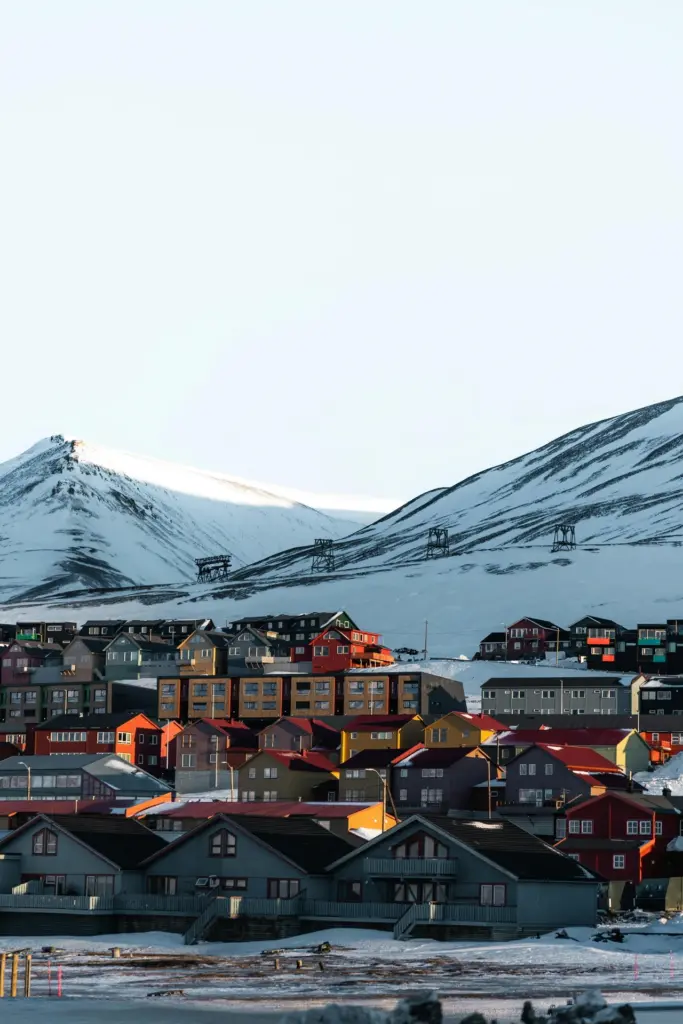
Accessibility and Behavior Svalbard reindeer offer some of the most accessible wildlife photography opportunities among the Big Five species. These peaceful animals often graze near Longyearbyen itself, creating the surreal experience of photographing Arctic wildlife within sight of human settlements.
Their calm demeanor and predictable grazing patterns make them ideal subjects for photographers learning Arctic wildlife techniques. Unlike the more challenging polar bear or fox photography, reindeer often allow closer approach and longer observation periods.
Photographic Opportunities Reindeer photography excels in capturing adaptation themes, showing how these animals have evolved to thrive in conditions that would challenge most large mammals. Their thick coats, compact builds, and efficient grazing techniques provide visual narratives about Arctic survival.
Landscape photography with reindeer creates compelling images that show the scale of Arctic environments while including wildlife elements that provide context and life to vast tundra scenes.
Seasonal Variations Summer photography captures reindeer during their most active period, when they must gain sufficient nutrition to survive the coming winter. Their interactions with the brief Arctic growing season create opportunities to document the race against time that defines Arctic ecology.
Winter photography presents reindeer against snowy backdrops that emphasize their remarkable cold-weather adaptations and the harsh beauty of their Arctic habitat.
#4: Walruses – Marine Giants
The Spectacular Hauling Grounds Walruses provide some of Svalbard’s most spectacular wildlife photography opportunities when they gather in massive groups on beaches and ice floes. These impressive marine mammals can weigh up to 2,000 kilograms and gather in groups that create dramatic scenes of Arctic marine life.
The social nature of walrus behavior creates photography opportunities that capture both individual character and group dynamics. Their hauling grounds become theaters of marine mammal behavior where dominance displays, social interactions, and parental care create constantly changing photographic subjects.
Technical Challenges Walrus photography requires telephoto lenses both for safety reasons and to avoid disturbing these massive animals. Their beach locations often involve challenging lighting conditions where photographers must balance exposure for both the animals and their often-bright Arctic surroundings.
The smell and noise of walrus colonies can be overwhelming, requiring photographers to prepare for sensory challenges while maintaining focus on capturing compelling images. Professional wildlife photographers often describe walrus colonies as among the most intense wildlife experiences available.
Behavioral Photography Walrus colonies provide opportunities to capture complex social behaviors including dominance displays, maternal care, and group dynamics. These behaviors create narrative possibilities that extend beyond simple wildlife documentation to tell stories about marine mammal society.
The contrast between walruses’ massive size and often-gentle interactions provides photographic opportunities that challenge common perceptions about large marine mammals.
#5: Ringed Seals – Arctic Ocean Specialists
The Foundation Species Ringed seals represent the foundation of Arctic marine ecosystems and the primary prey species for polar bears. With an estimated population of 100,000 individuals around Svalbard, they play crucial ecological roles that make them essential members of the Big Five.
These smallest of Arctic seals provide photography opportunities that emphasize the marine nature of Arctic ecosystems and the adaptations required for life in ice-covered waters.
Photography Challenges Ringed seal photography presents unique challenges as these marine mammals spend most of their time in water or on ice that may be difficult to access safely. Their wariness of predators makes them particularly alert to human presence, requiring photographers to work from considerable distances.
Successful ringed seal photography often occurs during boat-based expeditions where seals can be observed and photographed from water level, providing perspectives that show their aquatic adaptations and behaviors.
Ecological Storytelling Ringed seals provide opportunities for ecological storytelling that connects Arctic marine and terrestrial ecosystems. Their role as polar bear prey creates photographic narratives about predator-prey relationships and the interconnected nature of Arctic food webs.
Photography Expeditions and Guided Tours
Professional Wildlife Tours Svalbard offers specialized wildlife photography tours designed to maximize opportunities for capturing Big Five species. These expeditions combine professional wildlife guides with photography experts who understand both animal behavior and technical photography requirements.
Photography-focused tours often feature longer durations and specialized equipment designed to enhance wildlife photography opportunities. These expeditions prioritize photographic opportunities over general tourism, creating experiences tailored specifically for serious wildlife photographers.
Equipment and Preparation Arctic wildlife photography requires specialized equipment designed for extreme conditions. Camera bodies and lenses must function reliably in temperatures that can drop well below freezing, while moisture protection becomes crucial during boat-based activities.
Professional photographers recommend equipment lists that include backup systems, battery warmers, lens protection, and weather sealing to ensure reliable operation throughout extended Arctic expeditions.
Conservation Through Photography
Wildlife Photography Ethics Svalbard wildlife photography operates under strict ethical guidelines designed to minimize impact on animal behavior and habitat. Professional tours emphasize distance requirements, seasonal restrictions, and behavioral guidelines that ensure photography activities support rather than compromise conservation efforts.
The goal of responsible wildlife photography involves capturing natural behaviors without influencing animal activities or creating stress that could affect feeding, breeding, or survival success.
Contributing to Conservation High-quality wildlife photography from Svalbard contributes to conservation efforts by creating visual documentation of Arctic species and their habitats. These images support scientific research, environmental education, and conservation advocacy that helps protect Arctic ecosystems.
Planning Your Big Five Photography Adventure
Seasonal Considerations Different seasons offer distinct advantages for photographing various Big Five species. Summer provides the most reliable opportunities for comprehensive Big Five photography, while winter expeditions offer unique opportunities for cold-weather adaptations and behavior.
Professional vs. Amateur Opportunities Svalbard accommodates both professional wildlife photographers and enthusiastic amateurs interested in capturing Arctic wildlife. Guided tours provide education and safety support that enables photographers of all skill levels to pursue Big Five photography safely and successfully.
The Ultimate Arctic Photography Challenge
Completing the Big Five Photographing all five species during a single Svalbard visit represents a significant achievement in Arctic wildlife photography. While possible, it requires careful planning, favorable conditions, and often multiple expeditions to capture high-quality images of each species.
Building a Svalbard Portfolio Many wildlife photographers return to Svalbard multiple times to build comprehensive portfolios that document seasonal variations, behavioral diversity, and ecological relationships among Big Five species.
Conclusion: Arctic Photography Legacy
Svalbard’s Big Five represent more than just photography subjects—they embody the remarkable adaptations and ecological relationships that define Arctic life. Capturing these species through photography creates not only stunning images but also visual documentation of one of Earth’s most extraordinary ecosystems.
For wildlife photographers, pursuing Svalbard’s Big Five offers challenges and rewards that exist nowhere else on Earth. The combination of iconic species, dramatic landscapes, and unique Arctic conditions creates photography opportunities that become transformative experiences.
Whether you’re a professional wildlife photographer seeking to add Arctic species to your portfolio or an enthusiastic amateur drawn to the challenge of Arctic wildlife photography, Svalbard’s Big Five provide goals that inspire both technical growth and deeper appreciation for Arctic conservation.
The images captured during Big Five photography expeditions become more than personal achievements—they serve as ambassadors for Arctic wildlife and the urgent need to protect these remarkable species and their pristine Arctic habitat for future generations of both wildlife and wildlife photographers.