

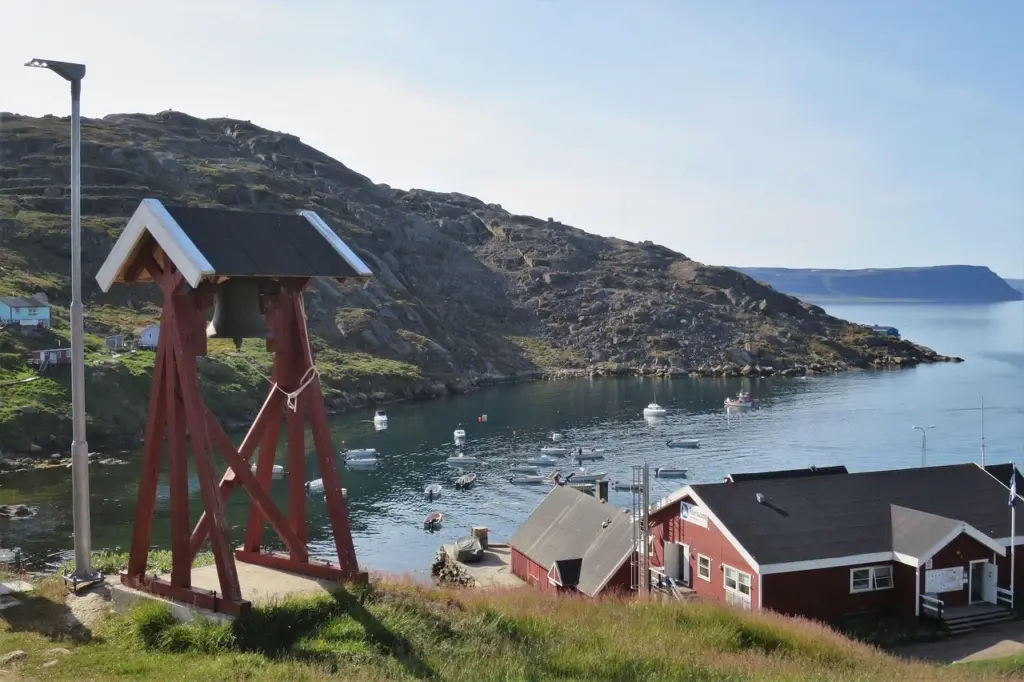
Summer in Svalbard redefines everything you thought you knew about the season. Forget balmy beaches and sweltering heat—Arctic summer means temperatures hovering between 2°C and 7°C (35°F to 45°F), a sun that never sets for four months, and some of the most spectacular wildlife viewing opportunities on Earth. Welcome to a season where “warm weather” means you might need only two sweaters instead of three, and where midnight feels like the most energetic time of day.
When Summer Means Something Completely Different
Redefining “Warm Weather” Summer in Svalbard runs from mid-May through September, with peak season occurring during June, July, and August. During these months, average temperatures range from 2°C to 7°C (35°F to 45°F)—conditions that would constitute a mild winter day in most temperate climates.
But here’s the remarkable part: these “chilly” temperatures feel entirely different in the Arctic context. After months of winter temperatures that can drop to -25°C (-13°F) or lower, those summer highs feel positively balmy. Locals and seasoned visitors often describe the psychological shift that occurs when temperatures rise above freezing—suddenly, the world feels full of possibility.
The Midnight Sun Revolution From mid-April through late August, Svalbard experiences the midnight sun phenomenon, with the most intense period running from mid-May to early August. During this time, the sun literally never sets, creating a surreal 24-hour daylight experience that fundamentally alters how time and activity are perceived.
This constant light transforms daily rhythms completely. Visitors often report losing track of time entirely, finding themselves hiking at 2 AM or having dinner at what feels like late afternoon but is actually past midnight. The endless daylight creates an almost manic energy—an irresistible urge to stay active and explore when every hour looks like prime adventure time.
The Wildlife Explosion
Summer triggers one of the most dramatic biological transformations on Earth as Svalbard shifts from a frozen wilderness to a bustling wildlife haven.
The Great Migration Arrives During summer months, Svalbard becomes a critical breeding ground for millions of migratory birds. Species that spend winters in warmer climates return to take advantage of the endless daylight and abundant food sources. The Barents Sea around Svalbard becomes one of the world’s most concentrated seabird areas, hosting approximately 20 million individual birds during peak summer.
Visitors can expect to see little auks, northern fulmars, thick-billed murres, black-legged kittiwakes, and many other species creating spectacular displays across Svalbard’s dramatic cliff faces and coastal areas. The bird activity is so intense that the sound becomes part of the summer soundtrack—a constant chorus of calls echoing across fjords and valleys.
Marine Mammal Paradise Summer brings increased activity from Svalbard’s marine mammals. Walruses haul out on beaches in massive groups, creating some of the most impressive wildlife viewing opportunities in the Arctic. Seals become more visible as they take advantage of ice-free waters, and various whale species, including beluga whales and occasionally larger species, frequent Svalbard’s nutrient-rich waters.
The extended daylight hours mean optimal viewing conditions for wildlife photography and observation. Animals remain active throughout the 24-hour cycle, giving visitors multiple opportunities to witness behaviors that would be impossible to observe during traditional day-night cycles.
Land Mammals in Summer Mode Svalbard reindeer, perfectly adapted to Arctic conditions, become more active and visible during summer months. These stocky, resilient animals can often be spotted grazing peacefully around Longyearbyen itself, creating the surreal experience of observing Arctic wildlife in an urban setting.
Arctic foxes, though more challenging to spot, remain active throughout the summer, their brown summer coats providing camouflage against rocky terrain. Summer offers the best opportunities for fox photography as their denning sites become more accessible and their hunting activity increases.
The Reality of Arctic Summer Weather
Temperature Truth While 2°C to 7°C might sound intimidating, experienced Svalbard visitors emphasize that these temperatures feel remarkably comfortable with proper layering. The key difference lies in wind conditions and humidity levels—Arctic air tends to be dry, making the cold feel less penetrating than damp cold in temperate climates.
More challenging than the temperatures is the constancy of conditions. Unlike temperate summers with warm days and cool nights, Svalbard maintains relatively consistent temperatures throughout the 24-hour cycle. This means no relief from cool conditions but also no dramatic temperature swings that require constant clothing adjustments.
The Wind Factor Wind becomes the defining factor in how comfortable summer weather feels in Svalbard. Calm conditions can make 5°C feel quite pleasant, while strong winds can make the same temperature feel bitterly cold. Visitors consistently report that wind protection becomes more important than pure warmth in Svalbard’s summer conditions.
The constant potential for wind changes means successful Svalbard visitors learn to layer strategically and always carry wind protection, even during seemingly calm conditions.
Precipitation Patterns Svalbard receives minimal precipitation year-round, technically qualifying as an Arctic desert. Summer brings the year’s highest precipitation levels, but this typically means light rain rather than heavy downpours. The combination of cool temperatures and light precipitation creates conditions where staying dry becomes more crucial than staying warm.
Adventures That Define Arctic Summer
Hiking in Perpetual Daylight Summer hiking in Svalbard offers experiences unavailable anywhere else on Earth. The combination of dramatic Arctic landscapes, unique wildlife, and 24-hour daylight creates hiking opportunities that challenge conventional notions of outdoor adventure.
Popular hiking destinations include areas around Longyearbyen where visitors can explore without requiring special permits or polar bear protection. The terrain offers everything from gentle valley walks to challenging mountain ascents, all set against backdrops of glaciers, fjords, and tundra that stretch to the horizon.
The midnight sun means hiking schedules become completely flexible. Many visitors discover that their most memorable hikes occur during traditional nighttime hours when the light quality becomes particularly magical and wildlife activity often peaks.
Boat-Based Exploration Summer opens Svalbard’s fjords and coastal areas to boat-based exploration. Zodiac excursions and larger boat tours provide access to areas impossible to reach on foot, including glacier fronts, remote beaches where walruses congregate, and bird cliffs teeming with nesting seabirds.
The boat-based perspective reveals Svalbard’s scale in ways that land-based exploration cannot. Fjords that appear manageable from shore reveal themselves as massive geographic features when experienced from the water, with glacier fronts rising hundreds of meters above sea level.
Kayaking in Arctic Waters For adventurous visitors, kayaking in Svalbard’s fjords provides an intimate experience with Arctic marine environments. The calm conditions typical of summer mornings and the extended daylight hours create ideal kayaking conditions for exploring coastlines and observing marine wildlife from water level.
Kayaking allows for silent approach to wildlife and access to shallow areas where larger boats cannot venture. The experience of paddling among ice floes or approaching glacier fronts provides a profound sense of scale and connection with Arctic environments.
The Sleeping Challenge
Midnight Sun Sleep Strategies One of summer’s biggest challenges involves maintaining normal sleep patterns under constant daylight. Even with blackout curtains and sleep masks, many visitors report difficulty maintaining regular sleep schedules during the midnight sun period.
Experienced Svalbard visitors recommend embracing rather than fighting the altered sleep patterns. Many find success with shorter, more frequent rest periods rather than attempting to maintain eight-hour sleep blocks. The constant energy provided by endless daylight often makes this approach feel natural rather than forced.
Some visitors report that the midnight sun period requires less total sleep, as if the constant light provides energy that reduces sleep requirements. While this effect varies among individuals, many people find they function well on less sleep during their Svalbard summer visits.
Practical Sleep Solutions Successful strategies include bringing high-quality sleep masks, using white noise apps to mask the constant activity of a community that never truly sleeps, and timing rest periods based on personal energy levels rather than clock time.
Many accommodations provide blackout curtains, but visitors consistently recommend bringing personal sleep aids since individual sensitivity to light varies significantly.
Clothing and Gear for Arctic Summer
The Layering System Successful Svalbard summer clothing strategies revolve around flexible layering systems rather than single heavy garments. Base layers, insulating layers, and weather protection layers allow for quick adjustments as conditions change throughout activities and different times of day.
Merino wool base layers receive consistent recommendations from experienced visitors for their warmth retention even when damp and their natural odor resistance—important qualities when clothing changes become logistically challenging during extended outdoor activities.
Essential Summer Gear Waterproof outer layers become crucial during summer months when precipitation and spray from boat activities create moisture challenges. Quality rain gear that provides wind protection doubles as essential summer outerwear.
Insulated jackets remain necessary even during summer, particularly for boat-based activities where wind and spray create additional cooling effects. Many visitors report that conditions on the water feel significantly colder than temperatures on land.
Footwear Strategies Summer footwear in Svalbard requires balancing warmth, waterproofing, and traction across varied terrain. Waterproof hiking boots with good ankle support handle most summer activities, while many visitors bring lighter shoes for indoor use and around Longyearbyen.
The tradition of removing shoes when entering buildings means comfortable indoor footwear becomes particularly important during summer when visitors spend more time in restaurants and social spaces.
Planning Your Summer Adventure
Timing Considerations Early summer (May-June) offers the most dramatic contrast with winter conditions, with snow still covering much of the landscape but wildlife activity beginning to increase. This period provides unique opportunities to experience winter and summer activities within the same visit.
Mid-summer (July-August) provides peak wildlife viewing opportunities and the most stable weather conditions. This period offers the best opportunities for boat-based exploration and extended hiking activities.
Late summer (August-September) brings the beginning of autumn colors as Arctic vegetation begins its brief but spectacular fall display. This period also offers opportunities to witness the gradual return of darkness as the midnight sun period ends.
Accommodation and Booking Summer represents Svalbard’s peak tourism season, making advance booking essential for preferred accommodations and activities. Many visitors report that the constant daylight makes them reluctant to spend time indoors, leading to packed itineraries and a preference for accommodations that serve as comfortable bases rather than destinations.
The social nature of summer in Svalbard means accommodations often become gathering places where visitors share experiences and advice, creating communities among travelers drawn to this unique destination.
Capturing Arctic Summer
Photography Opportunities The midnight sun creates unparalleled photography opportunities as the quality of light changes dramatically throughout the 24-hour cycle without ever disappearing. The extended golden hour conditions that occur as the sun moves to its lowest position provide warm, dramatic lighting for landscape photography.
Wildlife photography benefits enormously from the extended daylight hours and increased animal activity. Birds, marine mammals, and land animals remain active throughout the day cycle, providing multiple opportunities to capture behaviors and interactions.
Technical Considerations The constant light requires different approaches to exposure and timing than traditional landscape photography. Many photographers report that their most successful images come from times when they would normally be sleeping, as the unique light quality during traditional nighttime hours creates distinctive photographic conditions.
Equipment protection becomes crucial during summer months when moisture from precipitation and boat spray can damage sensitive gear. Weather protection for cameras and lenses receives consistent emphasis from photography-focused visitors.
Cultural Summer Experience
Community Life During Midnight Sun Longyearbyen’s social life transforms during summer months as residents and visitors take advantage of extended daylight for community activities and gatherings. Local festivals and events often extend well into traditional nighttime hours, creating unique cultural experiences.
The international nature of Svalbard’s community becomes particularly evident during summer when researchers, tourists, and seasonal workers from around the world converge in Longyearbyen. This creates a cosmopolitan atmosphere unusual in such a remote location.
Dining and Social Life Restaurants and bars adapt their schedules to accommodate the altered rhythms of midnight sun life. Many establishments remain active later into traditional nighttime hours, and social gatherings often extend well beyond normal closing times.
The outdoor dining possibilities, limited though they are by Arctic conditions, create unique experiences as visitors enjoy meals under bright midnight sunshine surrounded by Arctic landscapes.
Preparing for Arctic Summer Reality
Mental Preparation Successful Svalbard summer visitors prepare mentally for experiences that challenge conventional understanding of summer, daylight, and Arctic conditions. The combination of cool temperatures and constant light creates sensory experiences that require psychological adaptation.
Many visitors report that embracing the uniqueness rather than comparing it to familiar summer experiences leads to greater enjoyment and appreciation of Svalbard’s distinctive character.
Physical Preparation While summer conditions are more forgiving than winter, Svalbard still demands physical preparation for outdoor activities in challenging conditions. Basic fitness for hiking on uneven terrain and endurance for extended activities under unusual conditions contribute significantly to visit success.
The constant activity temptation created by endless daylight means visitors often attempt more activities than they would during normal day-night cycles, making physical preparation particularly valuable.
Conclusion: Embracing Arctic Summer
Summer in Svalbard offers experiences that exist nowhere else on Earth—a season where conventional rules about weather, daylight, and outdoor activities simply don’t apply. It’s a time when “warm” means 5°C feels tropical, when midnight looks like noon, and when wildlife viewing opportunities rival anywhere on the planet.
The magic of Arctic summer lies not in its similarity to conventional warm weather destinations but in its complete uniqueness. It’s a season that challenges expectations while providing adventures and experiences that become transformative memories.
For those seeking genuine wilderness experiences combined with comfortable infrastructure, wildlife encounters that rival African safaris, and the unique phenomenon of living under a sun that never sets, Svalbard summer provides an adventure that literally cannot be replicated anywhere else on Earth.
Whether you’re drawn by the midnight sun phenomenon, the incredible wildlife viewing opportunities, the dramatic Arctic landscapes, or simply the unique experience of spending summer in one of the world’s most remote locations, Svalbard offers a summer adventure that redefines what the season can mean.
Pack your warmest summer clothes, prepare for the most energetic “nights” of your life, and get ready to experience summer as you never imagined it could be—Arctic style.
Image by highflyer100 from Pixabay